

Not long ago, most injury claims came down to conflicting stories. One driver said one thing. The other driver said something else. Witnesses were inconsistent or unavailable. Police reports captured only a limited snapshot of what happened afterward.
That landscape has changed.
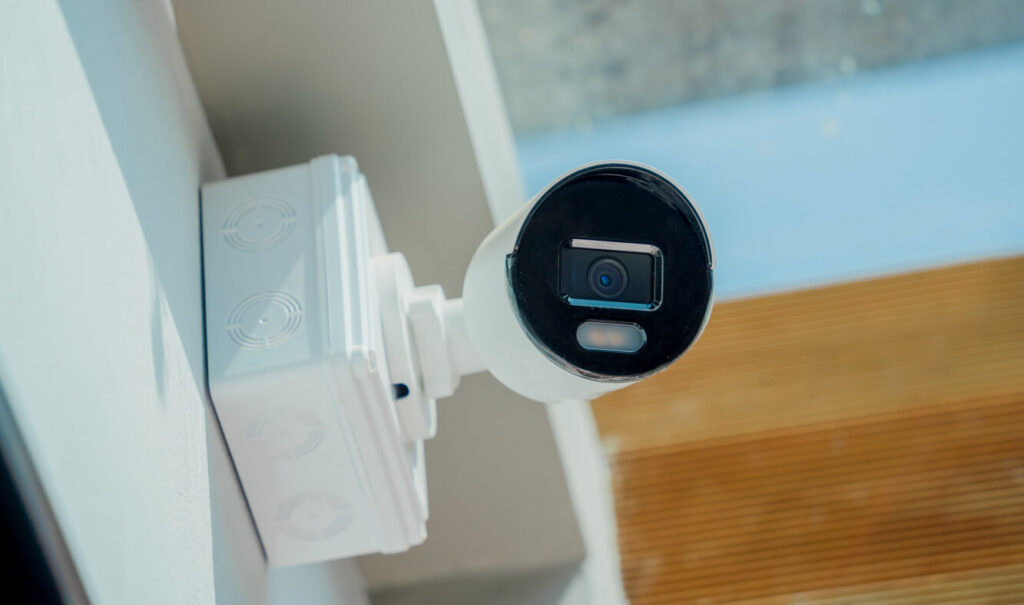
Across Louisiana, injury cases are increasingly shaped by real-time video evidence. Dashcams, doorbell cameras, business surveillance systems, and even private security footage are providing clearer, more objective records of how incidents unfold. In many cases, this evidence does not just support a claim. It defines it.
Understanding how this footage is used and why it matters can significantly affect how an injury claim is built, evaluated, and resolved.
Video Evidence Is Replacing Competing Narratives
When no footage exists, insurers rely heavily on statements, reports, and assumptions. When video is available, those narratives become secondary.
Video evidence can:
- Capture the Exact Sequence of Events Leading to a Collision.
- Show Vehicle Speed, Positioning, and Driver Behavior.
- Confirm Traffic Signal Timing and Right-of-Way.
- Reveal Distractions, Sudden Maneuvers, or Delayed Reactions.
- Provide Context That Written Reports Often Miss.
This level of detail removes ambiguity. It also limits insurance companies’ ability to reinterpret events in their favor. In many Louisiana cases, a single video clip has resolved liability disputes that would otherwise take months to argue.
Dashcams Are Increasingly Influencing Fault Determinations
Dashcams are no longer limited to commercial vehicles. Private drivers across Baton Rouge and throughout Louisiana are using them to document their time on the road.
These devices continuously record forward-facing activity and, in some cases, interior cabin footage.
Dashcam footage can:
- Show Lane Positioning Before Impact.
- Capture Sudden Braking or Unsafe Lane Changes.
- Document Aggressive Driving Behavior.
- Record Audio That May Reflect Driver Awareness or Distraction.
For injury claims, this type of footage can be decisive. It allows investigators to move beyond reconstruction and analyze what actually occurred in real time.
Doorbell Cameras and Residential Footage Fill Critical Gaps
Not every incident occurs on a highway or major intersection. Many injury cases arise in neighborhoods, parking areas, and residential streets where traditional surveillance is limited.
Doorbell cameras and home security systems are now filling that gap.
These systems frequently capture:
- Vehicles Entering or Exiting Residential Streets.
- Delivery Drivers, Pedestrians, and Cyclists in Motion.
- Backing Incidents, Driveway Collisions, and Near-Misses.
- Events Leading Up to and Immediately After an Injury.
Because these cameras are privately owned, their footage is not automatically preserved or shared. Identifying and securing it quickly can make a significant difference in how a claim develops.
Business Surveillance Systems Add Another Layer of Evidence
Retail stores, office buildings, parking garages, and commercial properties often maintain extensive surveillance systems. These systems can capture incidents from multiple angles and over longer timeframes.
In premises liability and vehicle-related cases, this footage may:
- Show Hazardous Conditions Before an Injury Occurred.
- Document How Long a Condition Existed.
- Capture Staff Response or Lack of Response.
- Reveal Whether Safety Protocols Were Followed.
This type of evidence can be particularly important when property owners dispute whether they had notice of a dangerous condition.
Why Timing Matters When Securing Footage
One of the most overlooked aspects of video evidence is how quickly it can disappear.
Many systems automatically overwrite footage within days or weeks. Private individuals may not realize the importance of what they have recorded. Businesses may not retain footage unless a formal request is made.
Critical steps often include:
- Identifying Potential Cameras Near the Incident Scene.
- Requesting Preservation Before Footage is Overwritten.
- Sending Formal Notices to Businesses or Property Owners.
- Securing Copies Before Systems Reset or Data is Lost.
Delays can mean losing the most reliable evidence in a case.
How Insurers Evaluate Cases with Video Evidence
When video evidence exists, it changes how insurers approach a claim. Instead of relying on internal assumptions, adjusters must account for what the footage shows.
This can:
- Strengthen Liability Positions Quickly.
- Limit Arguments Based on Conflicting Statements.
- Increase Pressure to Resolve Claims Earlier.
- Reduce the Effectiveness of Comparative Fault Arguments.
However, video does not automatically guarantee a favorable outcome. Insurers still analyze footage selectively and may focus on moments that appear to support their position.
Talk With Our Baton Rouge Attorneys About Your Injury Claim
If you were injured in Louisiana, video evidence may already exist that could support your claim. The challenge is knowing where to look and how to secure it before it is lost.
Our attorneys at Russell Law Firm LLC work with injury victims in Baton Rouge and across Louisiana to identify critical evidence, build strong claims, and pursue accountability based on what actually happened. If you have questions about your case, we are available to help you understand your options and determine the next steps.Top of Form
Bottom of Form
Call 225-307-0088 or reach out online for a free consultation.
Information furnished herein is only general and not a substitute for personalized legal advice. Any discussions and photographs herein depict no actual event or scene but merely a dramatization.
Past results are not a guarantee of future success. The client will be liable for costs and expenses regardless of the outcome. Danny Russell is responsible for this content. (225) 307-0088.